
Mastering Laboratory Skills for Genomics and Biochemistry
- Arjun Karan
- May 24
- 4 min read

In the rapidly evolving fields of genomics and biochemistry, mastering laboratory skills is essential for anyone looking to make significant contributions. Whether you are a student, a researcher, or a professional in the life sciences, having a solid foundation in laboratory techniques can set you apart. This blog post will explore key laboratory skills, practical tips for improvement, and the importance of these skills in the context of genomics and biochemistry.
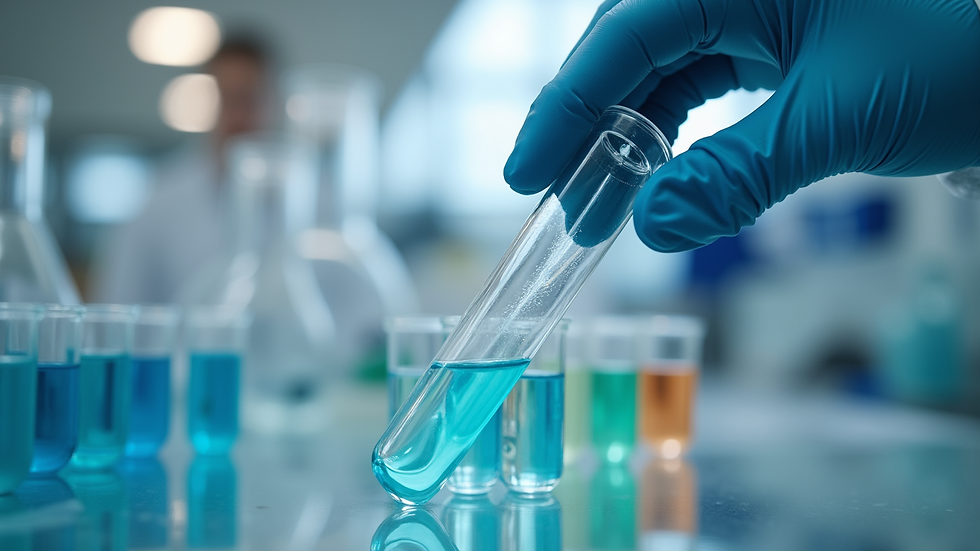
Understanding the Basics of Laboratory Skills
Before diving into specific techniques, it’s crucial to understand what laboratory skills entail. These skills encompass a range of competencies, including:
Technical Skills: Proficiency in using laboratory equipment and performing experiments.
Analytical Skills: The ability to interpret data and draw conclusions from experimental results.
Problem-Solving Skills: The capacity to troubleshoot issues that arise during experiments.
Attention to Detail: Precision in following protocols and recording data accurately.
Importance of Laboratory Skills in Genomics and Biochemistry
In genomics, laboratory skills are vital for tasks such as DNA extraction, PCR amplification, and sequencing. In biochemistry, skills like enzyme assays and chromatography are essential. Mastering these techniques not only enhances your research capabilities but also increases your employability in a competitive job market.
Key Laboratory Techniques in Genomics
DNA Extraction
DNA extraction is often the first step in genomic studies. This process involves isolating DNA from cells or tissues, which can then be used for various analyses.
Tips for Successful DNA Extraction:
Use fresh samples whenever possible to ensure high-quality DNA.
Follow the protocol meticulously, as variations can lead to contamination or degradation.
Familiarize yourself with different extraction methods, such as phenol-chloroform extraction and silica-based methods.
Polymerase Chain Reaction (PCR)
PCR is a technique used to amplify specific DNA sequences, making it easier to study them in detail.
Best Practices for PCR:
Always prepare a master mix to ensure consistency across samples.
Optimize annealing temperatures based on the specific primers used.
Include controls in your experiments to validate results.
Sequencing Techniques
Next-generation sequencing (NGS) has revolutionized genomics by allowing for the rapid sequencing of entire genomes.
Key Considerations for Sequencing:
Choose the right sequencing platform based on your research needs.
Understand the bioinformatics tools required for data analysis post-sequencing.
Keep abreast of the latest advancements in sequencing technologies.
Essential Laboratory Techniques in Biochemistry
Enzyme Assays
Enzyme assays are crucial for understanding enzyme kinetics and function.
Conducting Effective Enzyme Assays:
Use appropriate substrates and conditions to mimic physiological environments.
Measure reaction rates accurately to determine enzyme activity.
Consider factors such as pH and temperature, as they can significantly affect enzyme function.
Chromatography
Chromatography is a powerful technique for separating and analyzing compounds in a mixture.
Types of Chromatography:
Affinity Chromatography: Useful for purifying proteins based on their interactions.
Gas Chromatography: Ideal for volatile compounds.
Liquid Chromatography: Commonly used for a wide range of substances.
Tips for Successful Chromatography:
Ensure your columns are properly packed and equilibrated.
Monitor the flow rate and pressure to maintain optimal conditions.
Analyze fractions carefully to identify and quantify components.
Developing Soft Skills for the Laboratory
While technical skills are crucial, soft skills are equally important in a laboratory setting. These include:
Communication: Clearly conveying ideas and results to colleagues and stakeholders.
Teamwork: Collaborating effectively with others in a research environment.
Time Management: Prioritizing tasks to meet deadlines in fast-paced research settings.
Enhancing Your Laboratory Skills
Improving your laboratory skills requires dedication and practice. Here are some strategies to help you develop these skills:
Hands-On Experience: Engage in internships or volunteer positions in laboratories to gain practical experience.
Workshops and Training: Attend workshops that focus on specific techniques or technologies.
Online Courses: Utilize online platforms that offer courses in laboratory techniques and data analysis.
The Role of Technology in Modern Laboratories
Technology plays a significant role in enhancing laboratory skills. From automated pipetting systems to advanced imaging techniques, staying updated with the latest tools can improve efficiency and accuracy.
Utilizing Laboratory Software
Laboratory software can streamline data management and analysis. Familiarize yourself with programs that assist in:
Data collection and storage
Statistical analysis
Bioinformatics for genomic data
Safety and Compliance in the Laboratory
Safety should always be a priority in any laboratory setting. Understanding and adhering to safety protocols is essential for protecting yourself and your colleagues.
Key Safety Practices
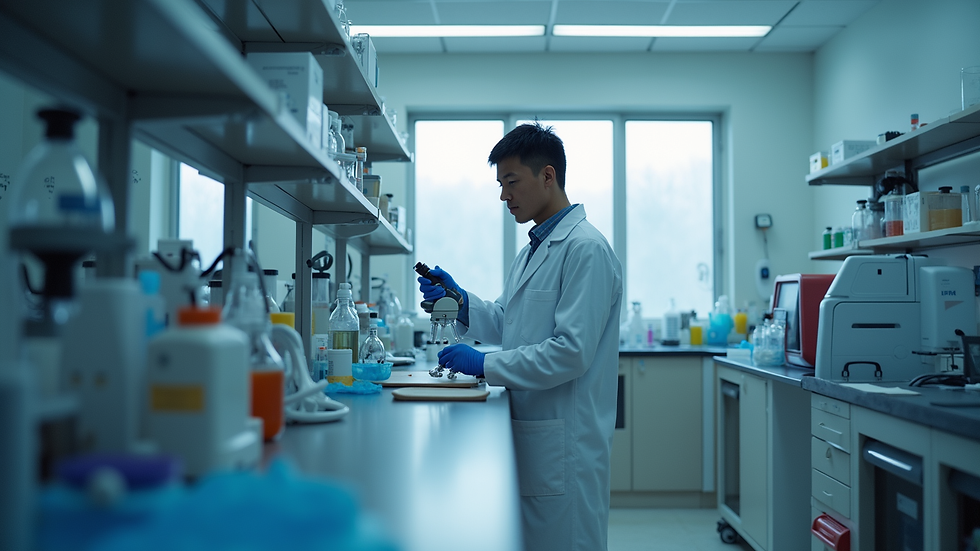
Personal Protective Equipment (PPE): Always wear appropriate PPE, including gloves, goggles, and lab coats.
Chemical Safety: Familiarize yourself with Material Safety Data Sheets (MSDS) for all chemicals used in the lab.
Emergency Procedures: Know the location of safety equipment, such as eyewash stations and fire extinguishers.
Conclusion
Mastering laboratory skills in genomics and biochemistry is a journey that requires continuous learning and practice. By focusing on both technical and soft skills, you can enhance your capabilities and contribute meaningfully to the field. Remember to stay curious, seek out new learning opportunities, and embrace the challenges that come with laboratory work. Your dedication will not only advance your career but also contribute to the broader scientific community.
As you embark on this journey, consider setting specific goals for your skill development. Whether it’s mastering a new technique or improving your data analysis skills, having clear objectives will guide your progress and keep you motivated.

Comments